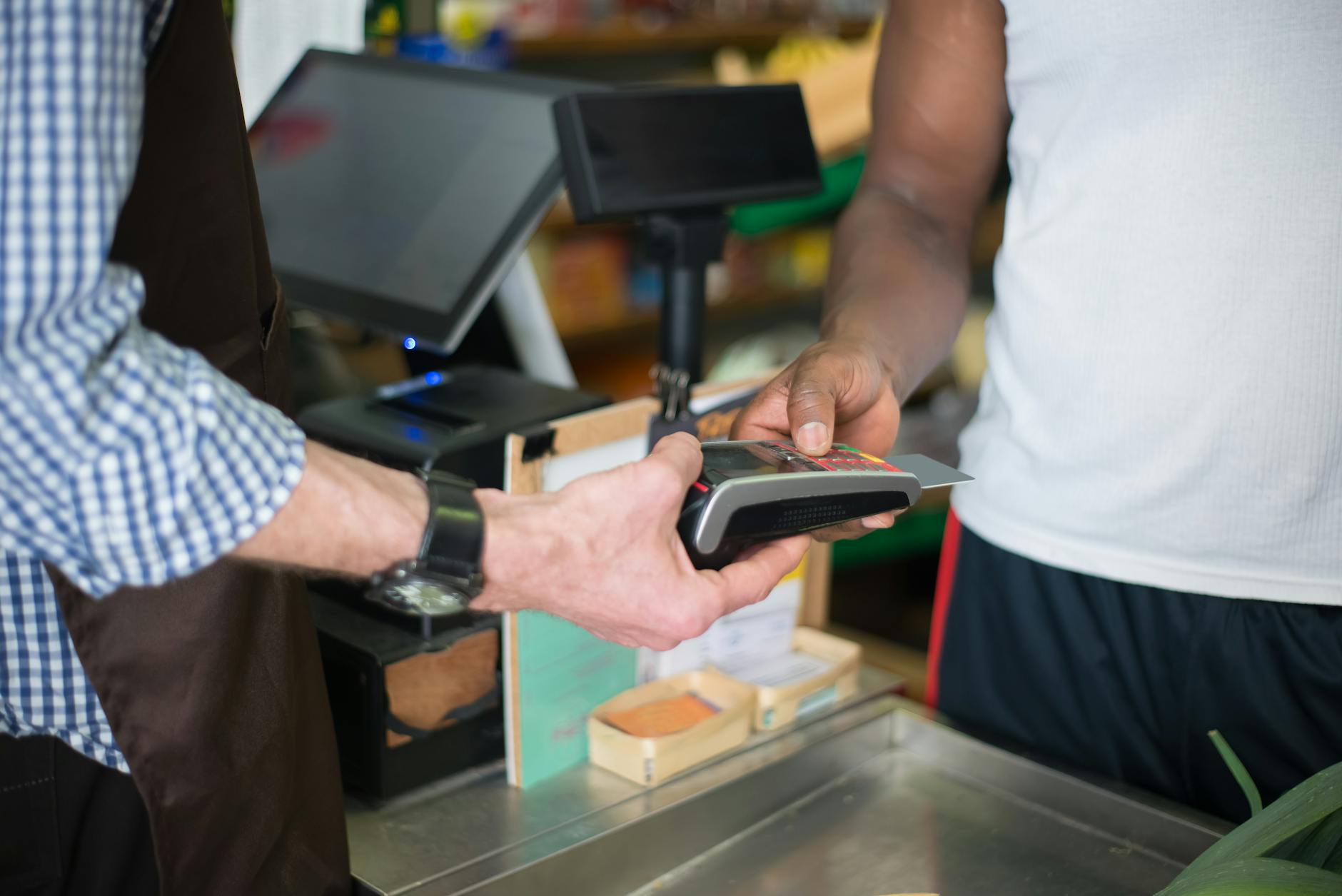
The “best cash back credit cards for groceries 2026” promise enticing returns but often trap the unwary. They lure consumers with the promise of saving money, but beneath the surface lies the potential for financial hemorrhage if not handled with strategic precision.
Why Doubling Your Grocery Cash Back Is a Mirage
Among the top cash back credit cards in 2026, the allure of doubling or tripling your grocery rewards remains irresistible. Cards like the GroceryMax Card offer up to 6% cash back on grocery purchases, presenting a seemingly straightforward strategy for enhancing household savings.
⚡ Advertiser Disclosure
🏆 Best Credit Cards Recommended by FinanceFlare
Earn 60,000 bonus points. Best travel rewards card.
2% cash back on everything — no categories to track.
Unlimited 2X miles on every purchase.
* FinanceFlare may earn a commission if you click links above. This does not affect our editorial independence.
Conventional wisdom has long dictated that maximizing cash back rewards on groceries is a no-brainer. After all, who wouldn’t want to reap returns on unavoidable expenses? Millions eagerly await promotions offering enhanced cash back rates, viewing them as a core component of a shrewd personal finance strategy.
However, this prevailing wisdom neglects the asymmetry in risk versus reward. The fervor around cash back incentives often blinds consumers to the structural pitfalls embedded in credit card usage, such as high interest rates that can quickly erode any “gains” if the balance isn’t paid in full every month.
While you may believe you’re capitalizing on free money, the danger lies in overspending to meet cash back thresholds that inadvertently lead to carrying a balance. The average interest rate on cash back cards has soared to over 19%, turning what appears to be an asset into a liability.
The solution is simple but requires discipline: only use cash back cards if you can pay your monthly balance in full. Set clear grocery budgets, track all expenses, and resist spending more just to reach reward tiers.
Yet, even the disciplined risk falling into the trap of opportunity cost. By focusing too keenly on grocery cash back, you may overlook higher return opportunities elsewhere, such as investment in high-growth sectors or even low-risk index funds.
Editor’s Note: Doubling rewards sounds smart, but are you miscalculating the true cost of debt?
The Psychological Traps That Inflate Your Grocery Bill
Cash back credit cards for groceries promise savings, but what they truly exploit is human psychology. Behavioral economics reveals that these cards prey on cognitive biases, such as the money illusion and instant gratification, leading consumers to spend more than intended.
“Spend to save” is the mantra echoed by many financial pundits and eagerly adopted by consumers. The idea is that using credit wisely can result in financial benefits, and indeed, some have mastered this approach, reaping tangible rewards.
However, such wisdom lacks depth, ignoring that mental accounting can lead to irrational spending. Studies show that consumers with cash back cards often spend 12-18% more than those using debit or cash, diluting the reward with unnecessary purchases.
The problem exacerbates when individuals perceive cash back as “free money,” prompting more liberal spending. This behavior inflates grocery bills beyond the cash back benefits, creating a systemic issue where perceived savings never materialize.
The tactical shift requires a mindset change. Analyze your spending patterns, set micro-budgets for individual categories, and use cash back incentives as secondary, not primary, motivators.
Yet, even with caution, you face the hidden risk of complacency. Believing you’re maximizing savings, you might ignore broader financial strategies that could provide more substantial, systemic benefits over time.
Why Focusing Solely on Grocery Rewards Is Financial Myopia
Relying solely on grocery cash back cards for financial gain in 2026 is akin to looking through a keyhole while ignoring the panorama around you. The narrow focus risks missing broader financial strategies that could yield greater returns.
Popular advice encourages maximizing all available cash back opportunities, often labeling this approach as “easy money.” This advice resonates because it offers a sense of control over everyday expenses, seemingly reducing financial strain.
Yet, this viewpoint is dangerously myopic. By allocating too much cognitive and financial effort into grocery rewards, consumers neglect other pivotal aspects of personal finance such as savings, investment, and debt management.
Grocery rewards can lead to asymmetrical financial decision-making, diverting attention from more pressing needs like emergency savings or retirement contributions. The obsession with maximizing minor rewards can obscure larger financial goals.
To overcome this, rebalance your financial strategy. Allocate a fixed percentage of your grocery expenses to cash back cards while re-evaluating your overall financial plan to ensure it includes investments and savings growth.
However, even this balanced approach conceals a risk: the opportunity cost of inertia. Sticking to cash back strategies may make you less adaptable to changing financial environments and emerging investment opportunities.
| Strategy | Return | Risk Level | Liquidity |
|---|---|---|---|
| Cash Back Cards | 1-6% | Moderate | High |
| Index Funds | 8-10% | Low | Medium |
| High-Yield Savings | 1.5-2% | Low | High |
| Cryptocurrency | 20-300% | High | Variable |
The Hidden Costs of Chasing Grocery Cash Back
While the pursuit of grocery cash back rewards appears benign, it harbors hidden costs that can erode financial health. These costs stem from misaligned incentives and unconsidered economic trade-offs.
The prevailing notion that grocery rewards are an unqualified benefit persists because it streamlines complex financial management into a single, digestible tactic. This reductionist approach has wide appeal, promising simplicity and perceived control.
Yet, beneath the simplicity lurks the complexity of credit card agreements, including annual fees, late payment penalties, and missed reward conditions. These factors often negate the superficial gains of cash back rewards.
Chasing cash back without understanding the full terms can result in a net financial loss. The systemic issue is that the opacity of credit card terms creates cognitive overload, leading to financial missteps.
To mitigate these hidden costs, scrutinize credit card terms before committing. Focus on cards with no annual fees and straightforward reward structures. Regularly review statements to spot and correct errors promptly.
Nevertheless, vigilance brings its own risk: time drain. Constantly monitoring and optimizing cash back strategies can divert time from more productive financial pursuits, such as learning new skills or earning income through side hustles.
Your 3-Step Action Plan for 2026
- Audit Your Expenses: Start by breaking down your monthly grocery spending to understand the baseline. This week, gather all receipts and analyze how much you’re truly spending. Look for patterns and unnecessary purchases that inflate your grocery bill.
- Select the Right Card: Compare multiple cash back cards, focusing on those with no annual fees and flexible reward redemption options. Calculate potential savings against your current grocery spending, and choose a card that aligns with your financial behavior without incentivizing overspending.
- Implement a Reward Discipline: Set a strict rule to pay off your card balance in full each month. This ensures you benefit from rewards without incurring interest charges. Schedule automatic payments to prevent missing due dates, and monitor your spending to adhere to the budget.
As Editor-in-Chief of FinanceFlare, the standard advice on “best cash back credit cards for groceries 2026” fails because it overlooks the psychological and structural traps these cards set for consumers. This article does what weak advice refuses to do: it exposes the hidden risks and offers a realistic, disciplined approach to maximizing rewards. Choose your financial path deliberately, prioritizing long-term growth over short-term gains. Make your next move count.
The Illusion of a Free Lunch: Cash Back and Behavioral Economics
Cash back credit cards for groceries often masquerade as a free lunch, but they exploit our cognitive biases in ways that can be financially crippling. Behavioral economics teaches us that the allure of immediate rewards can cloud judgment, leading to suboptimal financial decisions.
The common belief is that using cash back cards is a savvy strategy to reduce grocery bills, a notion reinforced by the thousands of dollars in potential annual savings touted by card issuers. This belief persists because it taps into the human desire for immediate gratification and the illusion of beating the system.
However, this conventional wisdom is inherently flawed. The average consumer underestimates their propensity to overspend when using cards instead of cash—a classic illustration of the money illusion. This often results in spending more than intended, negating the perceived benefits of cash back rewards.
Furthermore, herd behavior exacerbates the problem. When everyone around you boasts about their cash back exploits, there’s an implicit pressure to conform, regardless of personal financial suitability. This can lead to systemic overuse of credit, culminating in financial strain.
To counteract these biases, adopt a disciplined approach: set specific spending limits for each category of your budget, not just groceries. Employ tools like budgeting apps to track spending in real time, ensuring that cash back benefits enhance, rather than undermine, your financial health.
Yet, even with this disciplined approach, you cannot ignore the hidden risk of decision fatigue. The mental energy spent on constantly evaluating cash back strategies can detract from larger financial planning, such as retirement or investment strategies, which offer more substantial long-term gains.
Why Chasing Cash Back Could Undermine Your Financial Resilience
In 2026, the pursuit of cash back rewards could be undermining your financial resilience by diverting focus from more robust financial strategies. While cash back rewards seem like an easy way to save money, they often lead to a fractured approach to financial management.
The ethos behind cash back rewards is deeply embedded in consumer culture, promising a frictionless way to save. This has convinced legions of consumers that their routine spending habits can be turned into a lucrative venture.
Despite its appeal, this mentality can be dangerous. By concentrating on cash back, you may neglect essential financial resilience strategies, such as building an emergency fund or paying down high-interest debt, which offer far more robust protection against economic shocks.
The structural issue here lies in the fragmentation of financial goals. Cash back incentives can create a false sense of security, leading consumers to underestimate their susceptibility to financial volatility.
Redirect your focus by adopting a holistic approach to financial management. Prioritize emergency savings, debt reduction, and investment diversification over minor cash back benefits. Use cash back as a supplementary tool, not a primary strategy.
However, this realignment comes with its own hidden risk: inertia. The comfort of sticking to known cash back strategies might prevent you from adapting to new financial products or market conditions, leaving your financial resilience lagging.
Your 3-Step Action Plan for 2026 (Continued)
- Reevaluate Your Financial Goals: This week, take a step back to reassess your long-term financial objectives. Are they aligned with your current spending habits? Ensure your focus on cash back doesn’t overshadow critical goals like retirement planning or debt reduction.
- Adopt Financial Automation: Implement automated processes for savings and bill payments to ensure you meet financial commitments without relying on cash back incentives. This reduces cognitive load and ensures you’re building wealth systematically.
- Review and Optimize Monthly: At the end of each month, review your spending and cash back accruals. Analyze whether the rewards justify any changes in spending behavior. Adjust your strategy as necessary to maintain financial discipline and maximize benefits.
The Closing Argument: Cash Back Cards Require Caution and Strategy
Despite the overwhelming allure of cash back credit cards for groceries, these financial tools demand a level of caution and strategic insight that many consumers overlook. In 2026, the financial landscape has evolved, and so must our approach to utilizing these rewards.
The entrenched belief in the simplicity of cash back rewards masks their complexity. They promise easy savings but require diligent management to avoid the pitfalls of overspending and debt accumulation. The industry’s marketing machine expertly exploits this dynamic, leaving many consumers vulnerable to financial missteps.
While the promise of cash back rewards provides an immediate sense of gratification, the asymmetry of risk and reward drives home the need for a more robust financial strategy. Consumers must navigate the intricate web of credit card terms and conditions with precision to avoid hemorrhaging their hard-earned money.
Ultimately, the solution lies in balance. Use cash back rewards as a supplementary financial tool, not the cornerstone of your savings strategy. Focus on building a diversified financial portfolio, where cash back serves as the cherry on top, not the whole sundae.
Yet, despite your best efforts, the ever-present hidden risk remains: complacency. Continually challenge your financial assumptions and remain adaptable in the face of changing economic environments to truly harness the full potential of your financial resources.
As Editor-in-Chief of FinanceFlare, the standard advice on “best cash back credit cards for groceries 2026” fails because it overlooks the psychological and structural traps these cards set for consumers. This article does what weak advice refuses to do: it exposes the hidden risks and offers a realistic, disciplined approach to maximizing rewards. Choose your financial path deliberately, prioritizing long-term growth over short-term gains. Make your next move count.