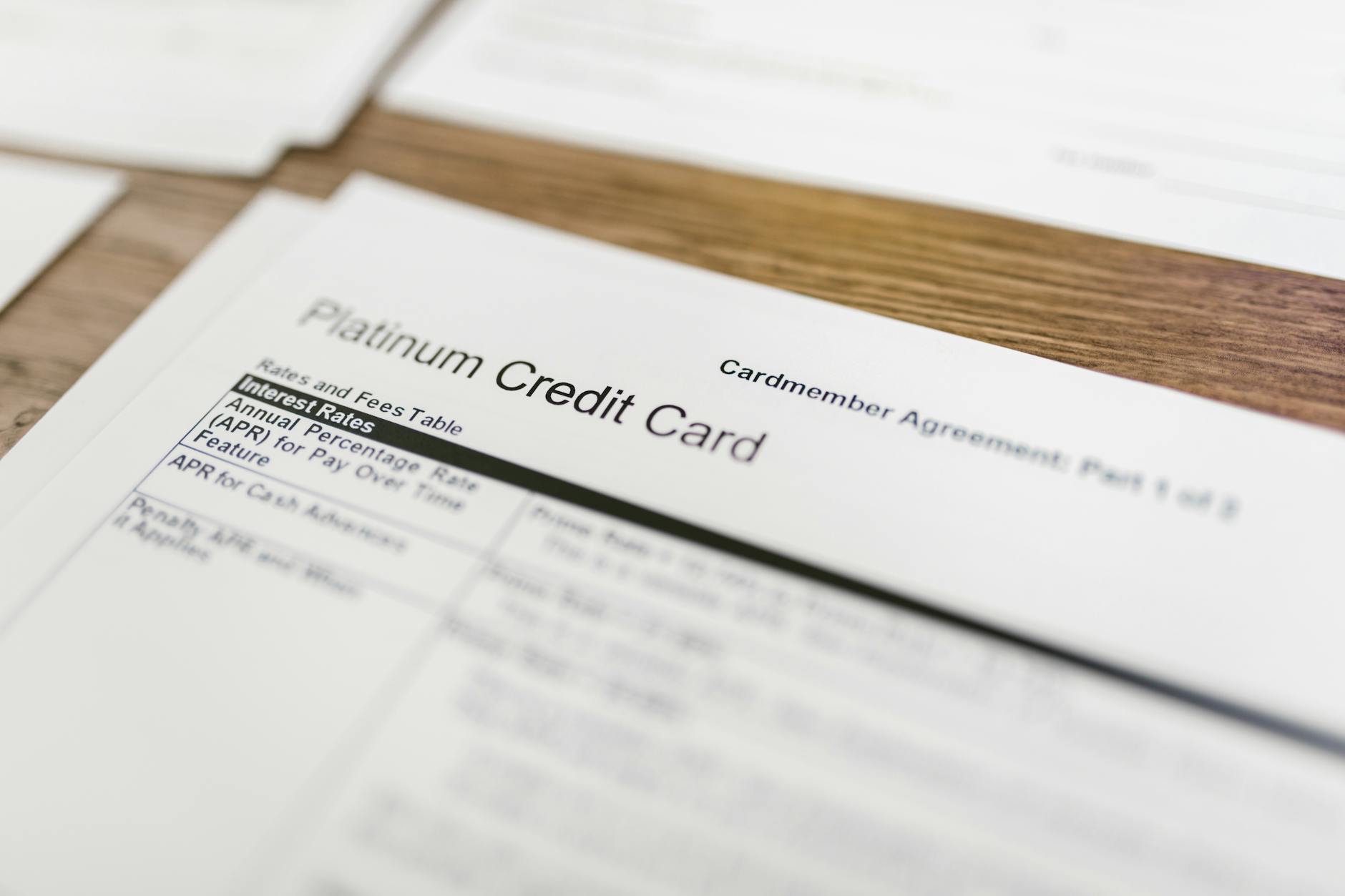
Conventional wisdom misleads you by suggesting that securing a personal loan with bad credit in 2026 is simply a matter of finding the right lender. The reality: this is a high-stakes game of financial chess where each move can lead to either opportunity or ruin. Prepare for an asymmetric battlefield where the risks often outweigh the obvious benefits.
Why Traditional Lenders Are the Modern-Day Loan Sharks
In 2026, most individuals with poor credit assume that traditional banks remain a viable option for personal loans, but the truth is starkly different. These institutions typically impose exorbitant interest rates, effectively hemorrhaging your financial resources over time.
⚡ Advertiser Disclosure
💳 Compare the Best Personal Loan Rates
Compare 300+ lenders. Rates from 5.99% APR.
Get personalized rates in 2 minutes, no hard pull.
Loans based on education & job history, not just credit.
* FinanceFlare may earn a commission if you click links above. This does not affect our editorial independence.
Conventional wisdom claims that traditional lenders offer security and a semblance of legitimacy. Millions follow this belief, seduced by the facade of stability and the ingrained notion that banks are inherently more trustworthy than alternative options.
The antithesis reveals the gritty reality: traditional banks capitalizing on your desperation. Economic logic dictates that their profit models thrive not on your success, but your financial stress. Behavioral psychology shows that once entrapped, borrowers often fall into a cycle of credit dependency.
To navigate this minefield, consider credit unions or peer-to-peer lending platforms which often provide more favorable terms for high-risk borrowers. These options can offer lower interest rates and a greater focus on community-driven financial assistance.
However, even these alternatives carry hidden risks. Credit unions might have stringent membership requirements, while peer-to-peer lending platforms could expose you to systemic market risks. Fail to repay on time and you may face severe penalties, exacerbating your financial plight.
Editor’s Note: Trusting traditional banks solely based on their reputation is a financial blunder of colossal proportions.
Why Online Lenders Are Not the Panacea They Claim to Be
Online lenders present themselves as the saviors for those with bad credit in 2026, but this digital promise often masks a labyrinth of economic pitfalls and structural vulnerabilities.
Popular belief suggests that online lenders provide quick approval and less stringent criteria. Millions find this appealing, enticed by the convenience and speed these platforms promise.
The antithesis is glaring: these platforms may exploit your immediate need for funds by hiding behind opaque fee structures and variable interest rates. Online lenders often lack regulatory oversight, which exposes you to tail risks that can decimate your financial standing.
Your solution lies in diligently researching and comparing online lenders, focusing on those with transparent practices and fixed interest rates. Utilize platforms with strong consumer protections and verified customer reviews.
The hidden risk remains: even reputable online lenders are subject to market fluctuations, and their operation models might suddenly change, affecting loan terms. Overreliance on this convenience can lead to financial complacency, further destabilizing your fiscal health.
Editor’s Note: Online lending platforms promise speed but often deliver deception wrapped in convenience.
Why Cosigning a Loan is a Dangerous Game
Inviting a cosigner with good credit seems a logical step for those with poor credit, yet this approach in 2026 is fraught with potential personal and financial disaster.
Common advice touts cosigning as a surefire way to secure better loan terms. Many rely on this tactic, underestimating the gravity of the obligation placed on the cosigner.
The antithesis highlights the personal and financial strain this arrangement can impose. The cosigner becomes equally liable, risking their credit standing and financial security. Behavioral tendencies can sour relationships as financial stress mounts.
Consider alternatives like secured loans which use collateral to secure lower interest rates. This option removes the interpersonal risk, focusing on asset-based security rather than personal bonds.
Yet, the hidden risk here is asset forfeiture in case of default. Overestimate your repayment ability, and you might lose valuable assets, exacerbating your financial vulnerability while straining personal relationships further.
Why Secured Loans Offer a False Sense of Security
Secured loans appear attractive for those with bad credit in 2026, yet these financial instruments often mask an insidious risk to your asset portfolio.
Many believe in the safety net of secured loans, captivated by their lower interest rates and accessibility. The illusion of stability leads countless borrowers to pledge assets without considering the true cost.
The antithesis exposes the peril: while you benefit from lower rates, you expose yourself to the potential for significant asset loss. The economic logic is simple: secured loans transfer the lender’s risk directly to your assets, amplifying your tail risk.
Instead, evaluate short-term borrowing needs critically and build a repayment strategy with clear milestones to mitigate asset forfeiture. Consider a staggered borrowing approach based on actual need rather than speculative financial planning.
The hidden risk: a misstep in financial forecasting can lead to asset liquidation, imposing not just monetary loss but irreparable damage to your financial credibility.
When Bankruptcy Becomes the Rational Choice
Considering bankruptcy as a strategic move in 2026 marks a radical departure from traditional views but can serve as a fiscal reset when bad credit limits your options.
Conventional wisdom warns of bankruptcy as financial ruin, an event to avoid at all costs. This belief ensures that millions endure prolonged fiscal suffering, shackled by stigmas and societal pressures.
The antithesis challenges this outdated view: bankruptcy offers a structured method for financial recovery, shielding you from creditor harassment and providing a framework for rebuilding. Economic theory supports this systematic approach to address insolvency.
Should you face insurmountable debt, consult with a financial advisor to explore Chapter 7 or Chapter 13 bankruptcy options. These legal frameworks provide a path to discharge or reorganize debt obligations in a structured manner.
The hidden risk involves potential long-term credit score impacts and reduced access to traditional financial products. Weigh these considerations against your current fiscal distress to ensure the decision aligns with your long-term financial goals.
| Strategy | Return | Risk Level | Liquidity |
|---|---|---|---|
| Traditional Bank Loan | Moderate | High | Low |
| Online Loan | Moderate | Variable | High |
| Cosigned Loan | High | Personal Risk | Moderate |
| Secured Loan | Low | Asset Risk | Low |
| Bankruptcy | Long-term Reset | High | N/A |
Your 3-Step Action Plan for 2026
- Evaluate Your Financial Landscape: Conduct a comprehensive review of your current financial obligations and credit standing. Identify critical areas of vulnerability. Understanding your complete financial picture is essential in determining the most strategic path forward.
- Consult Financial Advisors: Engage with a certified financial planner who specializes in bad credit scenarios. They can offer personalized insights based on your specific financial context and help you navigate the complexities of your available options.
- Implement Credit Repair Strategies: Commit to a disciplined approach to improving your credit score. Focus on timely bill payments, reducing outstanding debt, and disputing errors in your credit report. Incremental improvements can significantly alter your borrowing landscape over time.
As Editor-in-Chief of FinanceFlare, the standard advice on “how to get a personal loan with bad credit 2026” fails because it oversimplifies the complexities and risks involved in modern financial systems. This article does what weak advice refuses to do: it exposes the hidden vulnerabilities and invites you to engage in strategic financial planning. Demand more from your financial strategies.
Why High-Interest Loans Are the Financial Equivalent of Russian Roulette
Resorting to high-interest loans in 2026 might seem like a last-ditch necessity for those with bad credit, yet this choice can devastate your financial future with the rapid spiral of compounding interest.
Conventional wisdom suggests that securing any loan is better than none when you’re in dire need. Millions latch onto this belief, driven by immediate financial pressures and the illusion that these loans provide a quick fix.
The antithesis reveals the danger lurking beneath: high-interest loans operate under a predatory model designed to exploit your vulnerable position. The cycle of debt becomes inevitable as the interest compounds faster than you can repay, sinking you deeper into financial quicksand.
Instead of succumbing to these financial traps, prioritize negotiating with creditors or exploring debt relief programs. These alternatives can provide breathing room by potentially lowering interest rates or restructuring payment plans.
The hidden risk: by choosing high-interest loans, you become susceptible to a cycle of dependency where the initial relief masks an eventual avalanche of debt. This path risks not only financial ruin but also impacts mental well-being due to constant financial stress.
Why Debt Settlement Can Be a Double-Edged Sword
Debt settlement offers a glimmer of hope for those drowning in debt in 2026, yet it can simultaneously slash your credit score and complicate future borrowing.
Many believe that negotiating a lower payoff amount on outstanding debt is a viable escape from financial hardship. This belief is rooted in the appeal of reducing overall debt burden quickly and decisively.
The antithesis exposes a critical flaw: settling debt does not erase the financial missteps that led to accumulation. Furthermore, the practice of settling can serve as a red flag to future lenders, suggesting fiscal irresponsibility.
If you consider debt settlement, ensure comprehensive consultation with financial advisors and legal experts to understand the full implications. Prioritize settlements that avoid adding fees or damaging credit beyond repair.
The hidden risk: while debt settlement may offer short-term relief, it often involves paying taxes on forgiven debt, inadvertently increasing your fiscal responsibilities. The perceived victory of settling can quickly transform into a pyrrhic victory, costing more than it saves.
Why Financial Education Is Your Strongest Defense
Understanding the nuances of financial management in 2026 is not just advisable; it is imperative for those seeking a personal loan with bad credit.
Conventional wisdom undervalues the role of financial literacy, often relegating it to a secondary concern amid immediate monetary needs. Many individuals overlook education in favor of quick solutions.
The antithesis underlines financial education as a fundamental pillar of sustainable financial health. A robust understanding mitigates asymmetric risks and empowers individuals to make informed decisions that safeguard against future pitfalls.
Invest time and resources in financial literacy programs, workshops, and credible online courses. Equip yourself with the knowledge to discern between financial opportunities and traps, enhancing both your credit profile and financial resilience.
The hidden risk of neglecting financial education is stark: without it, you gamble with your economic future, perpetually reacting rather than strategically planning. Ignorance paves the way for repeated financial missteps and increased vulnerability to market shifts.
Why Credit Counseling Services Are Underutilized Lifelines
Enlisting the expertise of credit counseling services in 2026 can transform your approach to managing bad credit, yet these resources remain woefully underutilized.
Many labor under the misconception that credit counseling yields minimal benefit or that it’s reserved for those on the brink of bankruptcy. This dismissal prevents countless individuals from accessing tailored strategies for financial improvement.
The antithesis: credit counseling offers structured financial management plans and acts as a mediator with creditors. Economically, it provides a significant leverage point, potentially lowering interest rates and monthly payments.
Engage with accredited credit counseling agencies to devise a manageable repayment plan. This partnership can provide clarity, debunk myths surrounding credit improvement, and establish a realistic path toward financial recovery.
The hidden risk involves potential delays in accessing these services or the temptation to rely solely on their guidance without taking personal responsibility. Use counseling as a foundation upon which you build proactive financial habits.
Your Expanded 3-Step Action Plan for 2026
- Initiate a Comprehensive Financial Audit: Delve deep into your financial documents to create a detailed audit. Identify patterns in spending and areas where you can cut back. This foundational step is crucial for implementing a realistic budget that aligns with your financial recovery goals.
- Develop a Relationship with a Financial Mentor: Seek out a mentor with a strong financial background. Regular check-ins with this mentor can provide accountability and strategic insights, helping you avoid emotional decision-making and maintain focus on long-term objectives.
- Leverage Technology for Financial Monitoring: Utilize financial tracking apps and software to monitor your credit score, manage expenses, and receive alerts that help you stay on track. Technology can provide real-time data and insights, helping you remain vigilant and adaptable to financial changes.
As Editor-in-Chief of FinanceFlare, the standard advice on “how to get a personal loan with bad credit 2026” fails because it neglects to address the underlying financial behaviors and systemic risks. This article does what weak advice refuses to do: it exposes the vulnerabilities you may face and empowers you with knowledge and strategic tools. Begin your journey towards financial stability by challenging the status quo and demanding more from your financial strategies.